10-Day Solo Cruises for Adult Singles: What to Know Before You Book
Ten days at sea can be long enough to settle into a rhythm and short enough to fit real-life schedules, which is why this cruise length often appeals to adult singles traveling on their own. It gives you time to learn the ship, explore several ports, and decide when you want company and when you want quiet. For many solo travelers, that balance matters more than flashy marketing. A smart booking strategy can turn a potentially awkward trip into a relaxed, social, and genuinely memorable vacation.
Outline:
- Why a 10-day cruise can suit solo adults better than very short or very long sailings
- How to compare cruise lines, ships, cabin types, and itineraries
- What solo travelers should know about pricing, single supplements, and extra costs
- How to meet people comfortably through dining, activities, and excursions
- A practical booking checklist and final advice for first-time single cruisers
Why a 10-Day Solo Cruise Can Be a Smart Fit for Adult Singles
A 10-day cruise sits in an interesting middle ground. It is usually longer than the quick three- or four-night sailings that can feel rushed and party-heavy, yet it is less intimidating than a two-week voyage that demands more money, more vacation time, and more emotional stamina. For adult singles, that matters. Traveling alone is not only about seeing places; it is also about managing your own energy. On a 10-day sailing, there is enough time to unpack mentally as well as physically. By the third day, the ship starts to feel familiar. By the fifth, you know where to get coffee, which deck is quiet at sunrise, and whether you want to join trivia night or disappear with a book.
This length also creates a better social rhythm. On very short cruises, people often arrive with pre-formed groups and packed schedules. On longer trips, social circles can feel more established by the time a shy solo traveler decides to join in. Ten days often offers a better pace: long enough for repeated encounters, but short enough that conversations still feel fresh. You may see the same faces at breakfast, on a shore excursion, or during an evening show, and that repeated familiarity makes casual connections easier.
There is a practical side too. A 10-day itinerary often includes a more varied port mix than shorter sailings. Instead of visiting two nearby stops and hurrying back, these cruises may combine sea days with several meaningful destinations. That balance can appeal to singles who want more than nonstop entertainment. Some travelers want a floating hotel with nightlife; others want a moving base for cultural sightseeing. A 10-day route can often accommodate both. One day might be spent snorkeling, another touring a historic city, and another doing absolutely nothing except watching the wake stretch across the horizon like a white pencil line across blue paper.
For adult singles, the appeal is not just romance or meeting someone. In fact, many solo cruisers are not looking for dating at all. They want autonomy, comfort, and a chance to socialize on their own terms. That is why this topic is relevant now. Cruise lines increasingly recognize solo demand through studio cabins, hosted meetups, open seating dining, and app-based activity planning. The modern solo cruise is less about being the odd one out and more about choosing a travel style that combines privacy with possibility.
Choosing the Right Cruise Line, Ship, and Itinerary
Not all cruises feel the same, and solo travelers notice the differences quickly. The first major decision is the type of cruise line you want. Mainstream lines tend to offer the broadest mix of entertainment, dining options, and price points. Premium lines often focus more on service, enrichment programs, and a calmer onboard atmosphere. A line like Virgin Voyages is adults-only, which can appeal to singles who want a child-free environment, while Norwegian Cruise Line is often mentioned by solo travelers because it has offered studio cabins and solo lounges on some ships. Celebrity, Holland America, Princess, Cunard, Royal Caribbean, MSC, and Carnival all attract solo guests too, but each creates a different mood onboard.
The ship itself matters almost as much as the brand. Larger ships often provide more venues, more restaurants, and more ways to blend into the crowd when you want privacy. That can be ideal if you enjoy flexibility and do not want every face to become familiar by day two. Smaller ships usually create a more intimate atmosphere, which can make conversations easier but may feel less anonymous. Neither style is better for everyone. The right choice depends on whether you want stimulation or simplicity.
Itinerary design is another major factor. Some 10-day sailings are port-intensive, meaning you will be off the ship often and may need to plan your days actively. Others include several sea days, which can be wonderful for singles who want relaxation, onboard classes, spa time, or unhurried socializing. Consider your natural pace. If you enjoy museums, walking tours, and local food, a route with culturally rich ports may be a better fit than one built mainly around beach stops. If your ideal vacation includes reading on deck, watching the ocean, and joining the occasional game show or cocktail class, more sea days may feel luxurious rather than empty.
It also helps to think about season and departure port. Shoulder seasons can offer better prices and fewer crowds, though weather may be less predictable. A cruise leaving from a nearby home port can reduce air travel stress and lower total cost. When comparing options, look closely at these points:
- Does the ship have solo cabins or frequent solo promotions?
- Are there flexible dining times or communal seating options?
- How many sea days are included?
- What is the age mix and general atmosphere onboard?
- Are the ports places you actually want to explore alone?
The best cruise for an adult single is rarely the one with the loudest advertising. It is the one whose rhythm matches your own.
Understanding Solo Pricing, Cabins, and the Real Cost of the Trip
One of the biggest surprises for first-time solo cruisers is pricing. Cruises are often advertised on a per-person basis, assuming double occupancy. When one person books a cabin alone, the cruise line may apply a single supplement, which is an extra charge meant to account for the missing second passenger. Depending on the line, ship, season, and promotion, that supplement can vary widely. Sometimes it is modest. Sometimes it nearly doubles the fare. This is why a cheap-looking cruise can become expensive the moment you book it for one.
That does not mean solo cruising is poor value; it means comparison shopping matters. Some ships offer true solo cabins, often called studios, which are designed and priced for one person. These rooms may be smaller, but they can significantly reduce costs. Some lines also run temporary promotions with reduced or waived single supplements. Travel advisors and cruise search tools can help identify these deals, but it is still important to read the full fare details yourself.
Then come the extras. A cruise fare may include your cabin, main dining, entertainment, and basic facilities, but other costs can add up quickly. Specialty restaurants, alcoholic drinks, coffee beyond the standard offerings, Wi-Fi, spa treatments, gratuities, port taxes, shore excursions, and travel insurance all affect the final budget. Airfare, hotel stays before embarkation, and transfers to the port can be major expenses too. A 10-day trip feels more manageable when you separate required costs from optional ones.
A practical budgeting approach is to build three numbers instead of one:
- Base cost: cruise fare, taxes, fees, and mandatory gratuities
- Comfort cost: Wi-Fi, one or two excursions, drinks, and a pre-cruise hotel if needed
- Stretch cost: specialty dining, spa treatments, premium tours, shopping, and extra add-ons
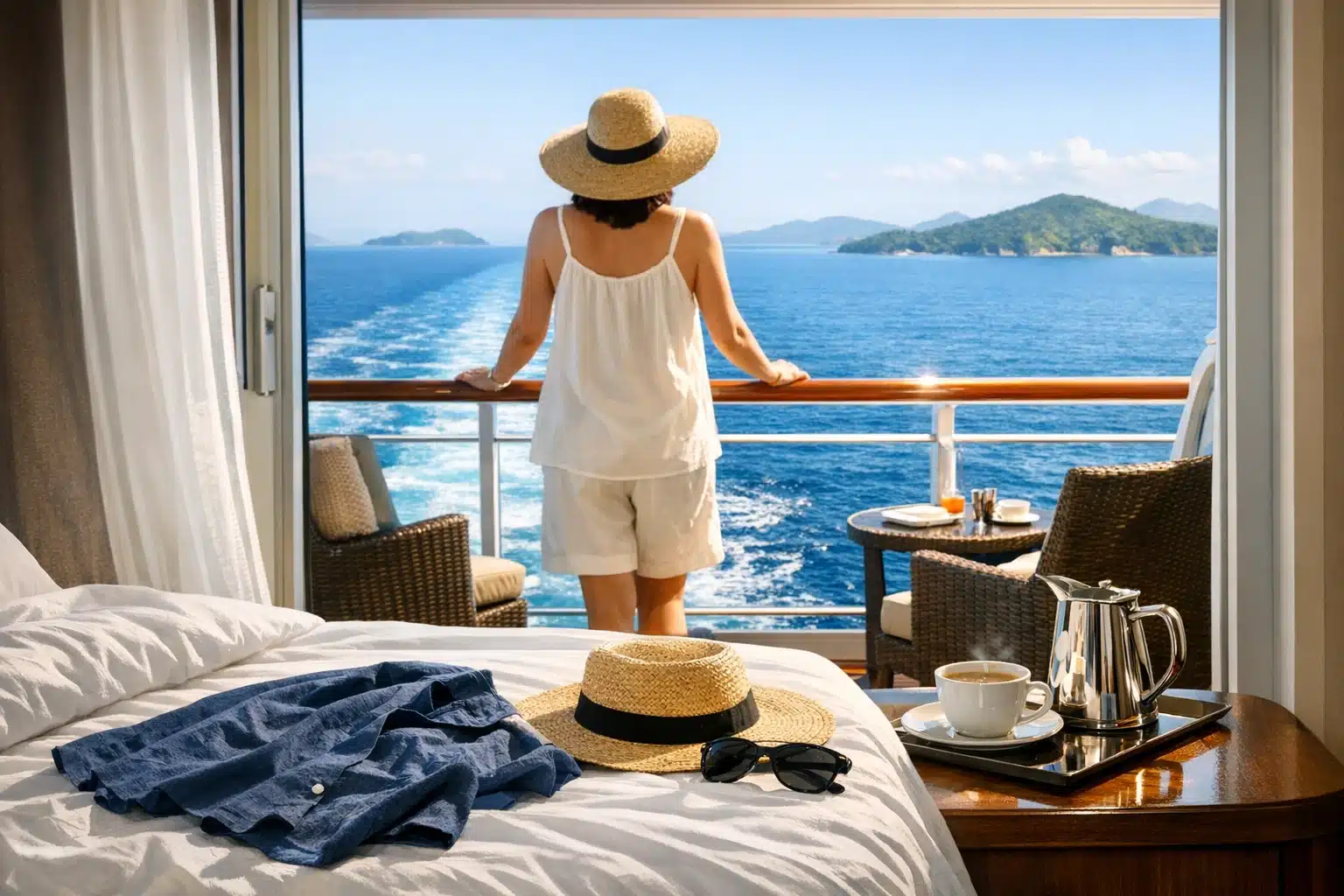
This method helps you avoid the false economy of booking the lowest fare and then overspending once onboard. It also helps with cabin decisions. An inside cabin may save money and suit travelers who spend little time in the room. A balcony cabin costs more, but for some solo travelers it provides a private retreat that changes the entire experience. Morning coffee with open sea outside your door can feel less like a splurge and more like your own floating corner of calm.
Finally, do not overlook cancellation rules and insurance. Solo travelers do not have a built-in companion to help absorb last-minute changes. If your flight is delayed, your luggage goes missing, or you need medical assistance abroad, preparation matters. Good value is not just about the cheapest booking. It is about knowing what you are paying for, what risks you are accepting, and what comforts genuinely improve the trip.
Meeting People Naturally: Dining, Activities, Excursions, and Safety
Many adult singles worry about one question more than any other: will I feel lonely? The honest answer is that you might have quiet moments, but loneliness is not built into solo cruising. Much depends on how the ship is structured and how you choose to participate. The best strategy is not to force constant socializing. It is to place yourself in environments where conversation can happen without pressure.
Dining is often the easiest starting point. Traditional set-time dining can help you see the same people nightly, which makes gradual connection possible. Flexible dining gives you more control, especially if you want independence, but it can be worth asking whether the ship offers shared tables or solo traveler meetups before dinner. Breakfast and lunch are also underrated social windows because the tone is more relaxed. A brief chat over coffee can be easier than introducing yourself at a formal evening event.
Onboard programming matters too. Trivia contests, dance lessons, wine tastings, cooking demos, fitness classes, and enrichment talks all give people something to discuss besides the usual “Where are you from?” Some cruise lines host solo gatherings, though the quality varies. On one sailing, it may be a lively mixer with good attendance. On another, it may be a quiet corner with a few hesitant guests. Go anyway. Even if the official event is flat, it can still lead to one useful connection, and one good connection can shape the rest of the trip.
Shore excursions are another strong tool for solo travelers. Group tours remove the awkwardness of navigating alone in unfamiliar places and create easy conversation because everyone is sharing the same experience. Smaller excursions often feel more personal than large bus tours. If you prefer exploring independently, choose ports where transportation is straightforward and safety is well understood. Researching each destination in advance helps you decide whether to book through the cruise line or venture out on your own.
Safety deserves its own mention because confidence grows when you feel prepared. Solo travelers should keep these habits in mind:
- Arrive in the departure city at least a day early if flights are involved
- Keep digital and paper copies of travel documents
- Use the ship safe for passport backups, cash, and valuables
- Let someone at home know your itinerary and major port plans
- Set personal boundaries around nightlife, alcohol, and invitations from strangers
The social beauty of a cruise is that it offers layers. You can join a salsa class, chat during a sunset sail-away, and still end the night alone on deck under the wind and stars. For many singles, that blend of access and distance is exactly the point. You are never trapped in isolation, but you are also not obligated to perform sociability every hour of the day.
Final Planning Checklist and Conclusion for First-Time Solo Cruisers
By the time you are ready to book, the goal is not to find a theoretically perfect cruise. It is to find one that fits your budget, personality, and expectations with as little friction as possible. That starts with honest self-assessment. Are you choosing this trip because you want rest, adventure, social energy, cultural discovery, or simply a new way to travel alone? Your answer will shape everything from ship size to cabin category. A solo traveler who wants peace may dislike a high-volume party atmosphere, while someone craving movement and nightlife might find a quiet premium sailing too subdued.
Before confirming a reservation, review the practical details carefully. Check passport validity, final payment dates, cancellation terms, gratuity policies, beverage package rules, and whether specialty dining or Wi-Fi are included. If air travel is required, build in extra time. Missing a ship is far more expensive than arriving one day early. Packing should follow the same logic: prepare for comfort, not fantasy. Bring layers for changing temperatures, comfortable walking shoes, a small day bag for ports, any medications in original packaging, and enough casual outfits that you do not feel trapped in over-formality. Most first-time cruisers need less clothing than they think and more organization than they expect.
Here is a simple last-minute checklist:
- Confirm travel documents, insurance, and emergency contacts
- Download the cruise line app and check dining or excursion reservations
- Set a realistic onboard budget before departure
- Plan one or two social activities early in the voyage
- Leave space for unplanned downtime instead of scheduling every hour
For adult singles, a 10-day cruise can be a surprisingly balanced form of travel. It offers structure without micromanagement, company without obligation, and movement without the hassle of constant hotel changes. You can spend a morning on a guided tour, an afternoon reading by the pool, and an evening talking with strangers who no longer feel like strangers. That is the quiet magic of the format. The ship keeps moving, the scenery keeps changing, and you get to decide how much of yourself you want to bring into each moment.
If you are considering your first solo sailing, think less about whether going alone looks unusual and more about whether the trip is designed well for you. The right 10-day cruise does not demand that you become more outgoing, more spontaneous, or more polished than you already are. It simply gives you room to travel in your own way, with enough time to enjoy both the world around you and the version of yourself that shows up when nobody else is setting the schedule.