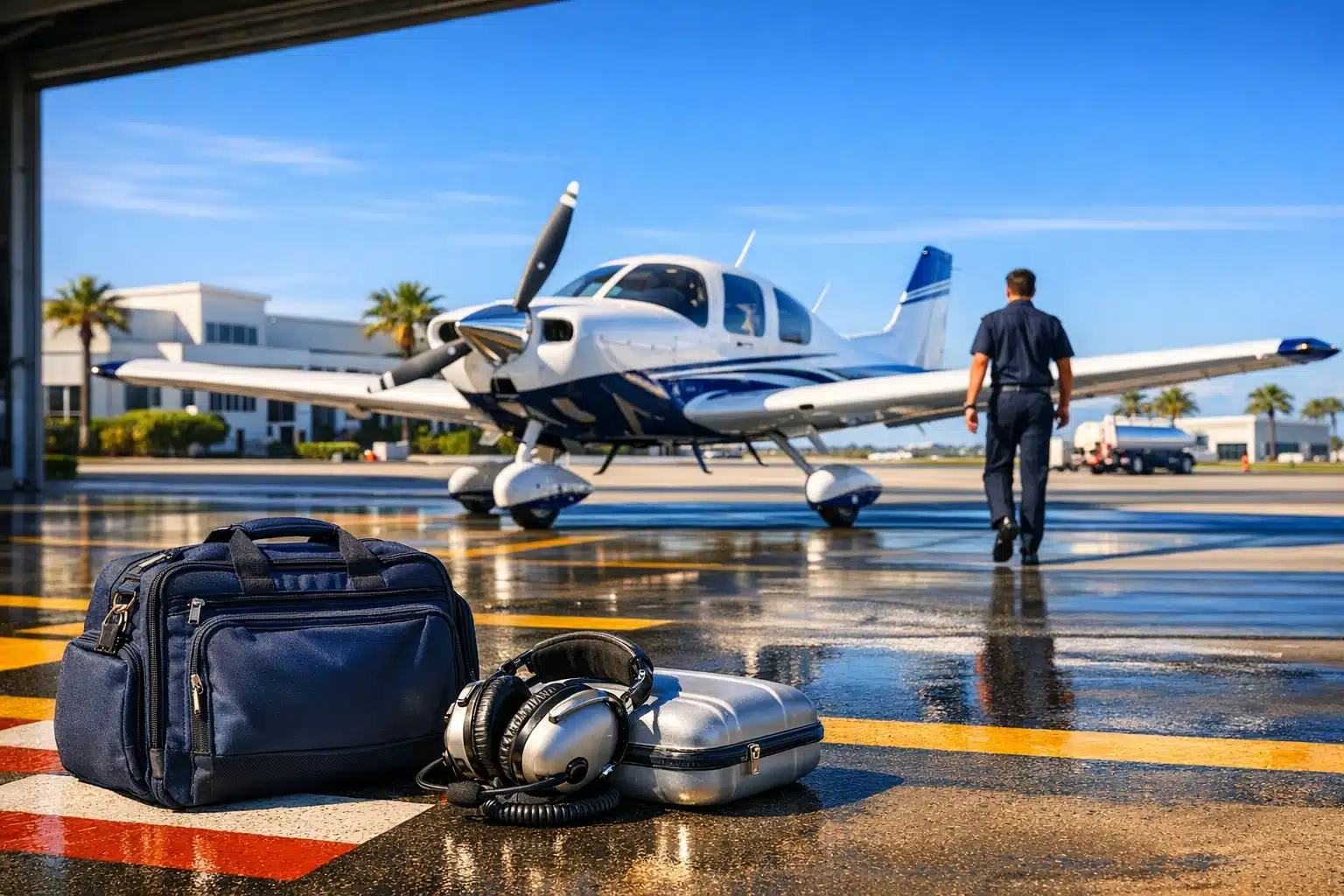
 Artificially generated image
 American Airlines Cadet Pilot Scholarships: Eligibility, Application Process, and Funding Options
Few career goals blend ambition and discipline quite like becoming an airline pilot, but the training bill often arrives long before the first airline paycheck. That gap is exactly why interest in American Airlines cadet scholarships keeps growing among students, career changers, and families trying to map the numbers. In the pages ahead, you will find an outline of the scholarship landscape, the typical eligibility rules, the steps involved in applying, and the funding combinations that can keep a promising plan from stalling on the ramp.
Outline: this article first explains what people usually mean when they talk about American Airlines cadet scholarships, then reviews common eligibility standards, walks through the application process, compares major funding options, and closes with a practical decision framework for aspiring pilots. Because airline pathways, partner schools, and scholarship terms can change, readers should always confirm current details through official American Airlines and flight school sources before applying or enrolling.
The Program Landscape: What “American Airlines Cadet Pilot Scholarships” Usually Means
When people search for American Airlines cadet pilot scholarships, they are often looking for one simple thing: a direct way to reduce the high cost of flight training while moving closer to an airline cockpit. In practice, the landscape is more layered than a single scholarship application. American Airlines has operated cadet and academy-style pathways connected to training partners, and those pathways may intersect with school-based aid, aviation nonprofit scholarships, financing programs, and career-development opportunities. That means the phrase itself can describe several different types of support rather than one permanent, universal award.
It helps to start with the economics. In the United States, training from zero flight time to the ratings and experience needed for an airline-track career can easily cost tens of thousands of dollars. For many students, a realistic range from private pilot through instructor credentials or commercial-level progression can land around 80,000 dollars to 120,000 dollars or more, depending on aircraft rental rates, fuel costs, how frequently the student flies, the school’s structure, housing, testing fees, and how many extra training hours are needed. Scholarships matter because even a modest award can cover written tests, headset purchases, checkride fees, simulator time, or several flight blocks that keep momentum alive.
In this context, “American Airlines cadet scholarships” often falls into a few broad categories:
• airline-linked opportunities connected to a cadet pathway;
• scholarships offered by partner academies or affiliated schools;
• awards from aviation organizations that can be used alongside airline-track training;
• employer-related incentives that reduce later-stage costs rather than up-front tuition.
This distinction is important because applicants sometimes assume an airline name automatically means full sponsorship. In reality, many cadet pathways are more like structured bridges than fully funded programs. They can offer mentorship, conditional career visibility, networking, and a defined route through training and time-building, but the financing piece may still depend on the student. That does not make them less valuable. Quite the opposite: a pathway with transparent milestones and recruiting alignment can save time, reduce confusion, and help a student avoid expensive detours.
Another point worth understanding is timing. Scholarship availability can shift with hiring cycles, academy partnerships, and internal program updates. One year may feature school-specific awards or promotional tuition support; another may emphasize loans, partner financing, or recruitment incentives rather than grants. The smart approach is to treat the airline name as a starting point, not the whole answer. Search broadly, read the terms carefully, and compare what is guaranteed with what is simply possible. In aviation, as in flying itself, clarity beats wishful thinking every time.
Eligibility: Academic, Medical, Financial, and Personal Criteria That Usually Matter
Eligibility is where many applicants either gain confidence or discover the fine print. For American Airlines cadet-related scholarships and comparable airline-pathway awards, requirements usually blend aviation readiness with standard scholarship screening. Some criteria are straightforward, such as age minimums, education level, and legal ability to train or work in the United States. Others are more specialized, especially medical qualifications and training-program admission standards. Because scholarship money is limited, sponsors want to back applicants who not only dream of flying, but also show a credible chance of completing the journey.
One of the most important foundations is medical eligibility. An aspiring airline pilot should understand the Federal Aviation Administration medical framework early, ideally before investing heavily in training. While some students begin training with a lower-class medical certificate depending on the school and rating stage, airline employment ultimately requires meeting stricter medical standards. A scholarship committee may not always demand a first-class medical certificate at the application stage, but a clean path to medical qualification makes an applicant far more competitive. Someone with a strong essay and weak planning around medical issues may appear enthusiastic but underprepared.
Typical eligibility checkpoints often include:
• minimum age set by the scholarship or training partner;
• high school diploma or equivalent, and sometimes college enrollment or academic transcripts;
• English proficiency, since aviation training and communication depend on it;
• the ability to pass background, security, or school-admission requirements where applicable;
• proof of financial need for need-based awards, or strong grades and achievements for merit-based awards;
• a demonstrated commitment to aviation through lessons, simulator experience, school activities, aviation clubs, Civil Air Patrol, STEM programs, or work experience.
Many applicants ask whether prior flight time is necessary. The answer varies. Some awards favor beginners because they are designed to widen access. Others prefer students who have already earned a private pilot certificate or logged meaningful hours, since those candidates have shown persistence and lower dropout risk. There is no universal rule. A newcomer with a compelling story, excellent preparation, and a clear career plan may stand out just as much as a student who already has several ratings.
Character and professionalism also matter more than people expect. Scholarship reviewers often look for qualities that echo cockpit culture: discipline, judgment, communication, teamwork, and resilience. A pilot candidate who can explain setbacks calmly and specifically may outperform one who lists achievements without reflection. For example, a student who worked nights to pay for discovery flights, kept a strong GPA, and volunteered at an airport youth event presents more than ambition; that applicant shows follow-through.
Finally, readers should remember that eligibility language can differ sharply between an airline-linked cadet path and an outside scholarship from an aviation foundation. One may emphasize admission into a partner program; another may focus on financial need; a third may require membership in a professional organization. That is why the best candidates do not ask only, “Do I qualify?” They also ask, “What kind of applicant is this award designed to support?” That subtle shift can transform a generic application into a targeted one.
Application Process: How to Prepare, Apply, and Stand Out Without Guesswork
The application process for cadet scholarships can feel like preflight in bad weather: there are many items to check, and skipping one small detail can ground the entire trip. The good news is that most applications follow a recognizable pattern. Once you know the sequence, the process becomes less mysterious and more manageable. Whether the award is tied directly to an American Airlines-related cadet path, a partner academy, or an outside aviation scholarship that supports airline-track training, success usually comes from preparation rather than last-minute energy.
The process often begins with research and document collection. Applicants should first identify the exact program name, the current deadline, and whether the award is need-based, merit-based, demographic-focus, training-stage-specific, or school-specific. Then comes the paperwork. Many candidates underestimate how long it takes to gather transcripts, recommendation letters, proof of enrollment, medical documentation, financial records, and a polished resume. A strong aviation scholarship application rarely appears overnight; it is assembled like a checklist, one line at a time.
A practical application file should usually include:
• a clean resume highlighting academics, work history, leadership, service, and aviation exposure;
• a short personal statement explaining why you want to become a pilot and how the funds will be used;
• recommendation letters from teachers, employers, flight instructors, or mentors who can speak to reliability and maturity;
• transcripts or training records, if required;
• documentation of acceptance into a cadet or flight training program where applicable;
• a simple budget showing estimated training costs, current resources, and the funding gap.
The essay is often the hinge on which the entire application swings. Reviewers read many versions of the same dream, so generic passion is not enough. “I have always wanted to fly” may be true, but it is too common to be memorable on its own. What works better is specificity. Explain the moment aviation became real for you, describe what steps you have already taken, and show that you understand the cost, commitment, and long timeline involved. The strongest essays sound grounded, not theatrical. They connect desire with evidence.
Interviews, when required, tend to test professionalism and preparation as much as motivation. Expect questions about why you chose an airline-track route, how you plan to finance training beyond the scholarship, what challenges you anticipate, and how you handle stress or setbacks. This is where applicants who have done real homework stand out. If you can compare training pathways, discuss approximate costs, and explain why a cadet structure fits your goals, you appear serious rather than merely hopeful.
It also helps to compare application styles across providers. Airline-linked programs may care more about program fit, commitment, and long-term career alignment. Nonprofit aviation scholarships may reward community service, leadership, and access-building goals. School-based awards might focus on enrollment status and near-term tuition use. A smart applicant does not submit the same essay everywhere. Tailoring matters. In scholarship selection, as in aviation communication, precision carries farther than volume.
Funding Options Beyond Scholarships: Loans, Grants, School Aid, and Smarter Cost Control
One of the most important truths for aspiring pilots is that scholarships are helpful, but they are rarely the entire fuel load. Many students who successfully reach an airline pathway do so by stacking multiple funding sources. That may include one or two scholarships, family support, school payment plans, savings, part-time work, approved education loans, military benefits where applicable, and careful pacing of training. Waiting for a single full-ride solution can delay progress for years. Building a layered plan is often more realistic.
Start with the broad categories. Scholarships and grants are the most attractive because they do not usually require repayment, but they are competitive and often partial. Loans can close larger gaps quickly, yet they deserve caution because pilot training debt can become heavy if interest rates are high and training takes longer than planned. School financing and payment plans may offer predictable scheduling, though they do not reduce the total price. University aviation programs can unlock federal aid in some cases, while local training schools may offer flexibility and lower non-flying overhead but less institutional aid. There is no perfect route for everyone.
Common funding tools include:
• aviation scholarships from airline-linked programs, academies, nonprofits, and pilot associations;
• federal or private student loans, usually more accessible through degree-granting institutions than independent flight schools;
• 529 education savings use where eligible under current rules and school structure;
• GI Bill or veteran education benefits at approved programs;
• installment payment plans through training providers;
• employment income from airport jobs, dispatch, operations support, or later from instructing;
• family contributions, community fundraising, or local sponsorships from civic groups and aviation clubs.
Comparing these options matters. Loans provide speed but increase pressure. Scholarships reduce debt but can be slow and uncertain. University programs may offer broader aid packages and a campus support system, yet total costs can rise when tuition, housing, and flight fees are combined. Part 61 independent training can sometimes be cheaper and more flexible, but the student must be organized enough to manage scheduling, instructor continuity, and financing without much administrative structure. Partner academies aligned with airline pathways may offer a clearer route and professional mentorship, though students must study the contract terms and total cost carefully.
Cost control is the quiet hero in this story. Two students can enroll in similar training and spend very different amounts depending on how efficiently they progress. Frequent flying usually reduces retraining costs. Good study habits lower the risk of repeating lessons. Choosing housing wisely, buying used gear when appropriate, and avoiding unnecessary training gaps can save meaningful money over time. Even a headset purchase, often treated like a rite of passage, can be approached strategically rather than emotionally.
Perhaps the best mindset is to think in stages. Fund the first milestone, then the next one, then the next. Private pilot, instrument, commercial, instructor ratings, and time-building do not have to be financed by a single source all at once. A scholarship may launch the journey, a payment plan may sustain it, and later instructing income may carry it forward. That is not glamorous, but it is how many professional pilots actually piece together a career path that looked impossible from the ground.
Conclusion for Aspiring Cadets: How to Choose a Path, Build a Plan, and Move Forward
If you are the kind of reader who has one browser tab open to scholarship pages and another open to flight school cost calculators, the key takeaway is simple: treat American Airlines cadet scholarship opportunities as one part of a broader strategy, not a lottery ticket. The strongest candidates do not wait for perfect conditions. They research the current cadet pathway structure, verify what support is truly available, compare training models, and create a financing plan that can survive beyond the first award letter. That approach is less dramatic than hoping for one giant break, but it is far more effective.
At a practical level, your next steps should be specific. First, confirm whether the current American Airlines cadet pathway or its training partners are accepting applications and whether any scholarship or tuition-support options are active right now. Second, assess your personal readiness: medical, academic records, savings, schedule, and geographic flexibility. Third, build a list of external scholarship sources so your plan does not depend on one brand name alone. Aviation rewards disciplined preparation, and funding is no exception.
A useful decision framework looks like this:
• choose a training route that matches your budget, learning style, and tolerance for structure;
• estimate the full cost, not just advertised tuition;
• identify which expenses must be paid up front and which can be delayed;
• apply broadly to scholarships, but tailor every application;
• protect training momentum by planning how you will cover the gaps between awards and ratings.
There is also a human side to all this. For many aspiring pilots, financing is the moment when a dream begins to feel either real or unreachable. Yet plenty of airline pilots started with limited resources, uncertain timelines, and a spreadsheet that looked more stressful than inspiring. What moved them forward was not blind optimism. It was methodical action: discovery flights, medical clearance, careful budgeting, persistent scholarship applications, and a willingness to take the next realistic step instead of waiting for a perfect one.
So, if you are serious about becoming a pilot, let this topic sharpen your plan rather than simply spark your imagination. Verify current program details through official sources, compare every funding path with clear eyes, and treat each rating as a milestone worth financing intelligently. The runway into aviation is rarely cheap and never effortless, but it becomes far more navigable when ambition is paired with research, patience, and a plan built to last.