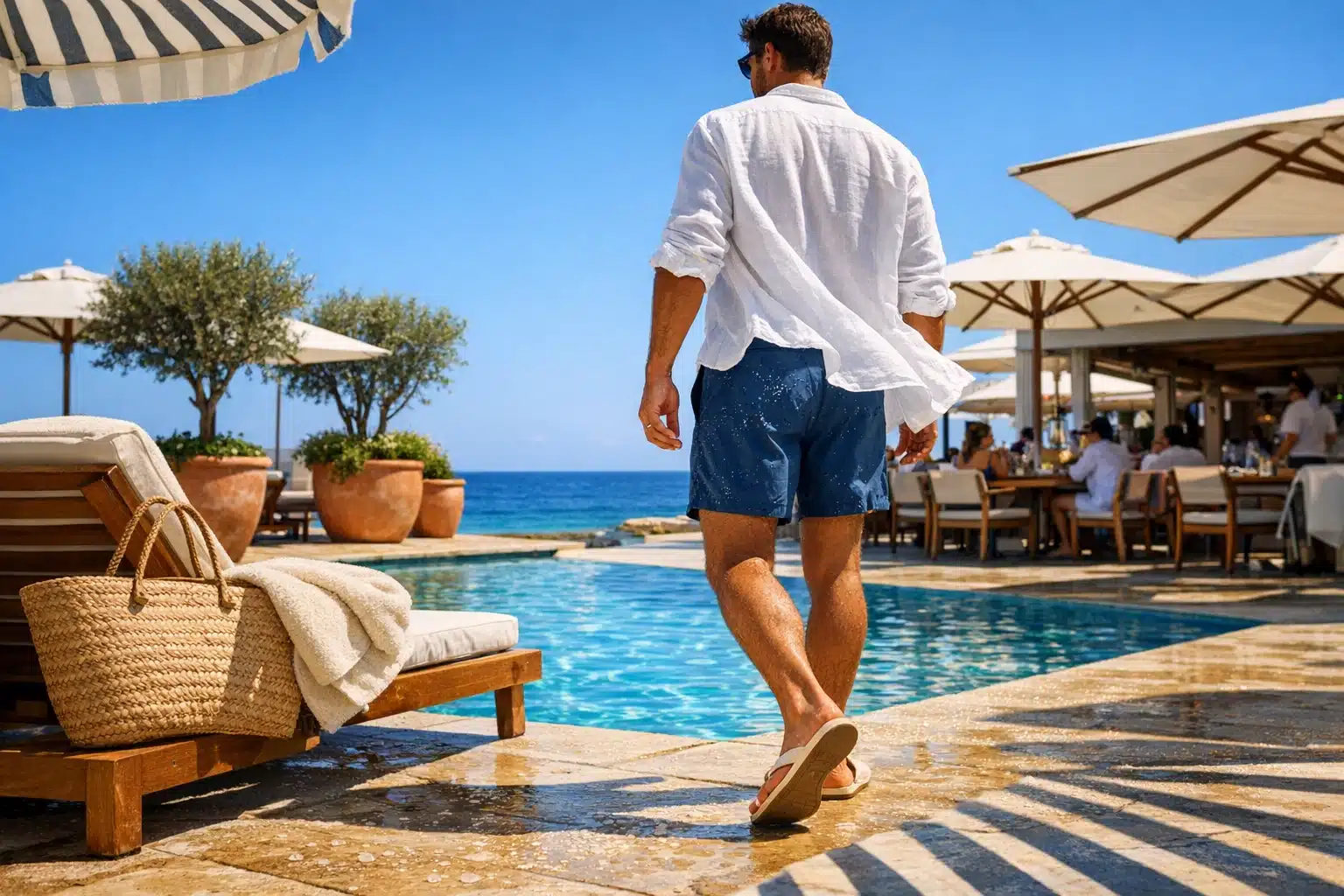
Hot Men’s Swimwear Trends 2026: Style, Comfort & Confidence
Men’s swimwear in 2026 sits at an interesting crossroads where fashion, function, and self-expression finally feel equally important. A good pair of trunks now has to move well in water, look sharp at lunch, dry quickly by sunset, and still feel comfortable on the walk home. That shift matters because most men are no longer buying separate pieces for swimming, lounging, travel, and light sport. Understanding the new trends helps shoppers avoid gimmicks, spend better, and choose styles they will actually wear.
Outline
1. The overall direction of men’s swimwear in 2026 and why versatility matters more than ever. 2. The leading silhouettes, lengths, and fits, from tailored trunks to shorter volley styles. 3. The fabrics, linings, and technical upgrades shaping comfort, drying speed, and durability. 4. The colors, prints, and styling details that make modern swimwear look refined rather than loud. 5. A practical conclusion for shoppers who want to build a swimwear rotation that suits their body, habits, and budget.
The Big Direction of Men’s Swimwear in 2026
If one idea defines men’s swimwear in 2026, it is versatility. Swim shorts are no longer treated as single-purpose items that appear for a beach holiday and then vanish into a drawer. Designers and mainstream retailers alike are leaning into pieces that can move from pool deck to café terrace to hotel lobby with minimal effort. That shift has made men more selective. Instead of asking only, “Does this look good in the water?” many shoppers now ask, “Can I wear this for half the day without feeling underdressed or uncomfortable?” That change in mindset explains why the strongest trends of 2026 feel cleaner, more wearable, and less costume-like than some of the louder swimwear cycles of the past.
A useful comparison is the long boardshort-heavy era that dominated earlier summer fashion. Those longer, often stiffer styles worked for surf imagery and casual beach culture, but they were not always flattering, quick to dry, or easy to style away from the shore. In 2026, the pendulum has moved toward a more tailored middle ground. Shorts are generally shorter, fabrics feel softer, and waist construction is more refined. The result is swimwear that looks intentional rather than accidental. You can see echoes of retro Riviera dressing, athletic minimalism, and contemporary resort wear all meeting in the same category.
Several broad signals stand out this year:
• 5-inch to 7-inch inseams are leading the market.
• Matte, lightly textured finishes are often preferred over very shiny fabric.
• Branding is becoming more discreet, with smaller logos and cleaner trims.
• Hybrid styling is growing, especially in trunks that resemble casual shorts.
• Comfort features such as stretch fabric and improved linings are now expected, not optional.
There is also a confidence shift happening. Men are becoming more open to silhouettes that actually suit their frame instead of defaulting to the safest, baggiest option on the rack. That does not mean every trend is bold or fashion-forward. In fact, the defining mood of 2026 is practical confidence. Good swimwear should make a man feel put together, not dressed up for attention. The best pairs achieve that through proportion, fabric quality, and subtle details rather than flashy gimmicks. Think of the category as summer menswear with a passport stamp: lighter, easier, and built for movement, yet still grounded in real-life use.
Silhouettes, Lengths, and Fits Leading the Season
The silhouette conversation is where the 2026 trend cycle becomes most visible. For years, many men relied on long, loose swim shorts because they seemed universally safe. Now the market is clearly favoring shorter and better-balanced proportions. The sweet spot for most collections sits between a 5-inch and 7-inch inseam, a range that exposes more leg, improves movement, and usually creates a cleaner line through the body. For many men, this length is the modern default because it works on a wide variety of heights and body types. Shorter trunks can make legs appear longer, while overly long shorts can visually cut the body in half, especially on men of average or shorter height.
Within that broader length range, a few specific styles are standing out. The volley short remains one of the strongest casual options because it feels sporty and relaxed without becoming bulky. Tailored swim trunks, often with a flatter front and neater side seam, are ideal for men who want their swimwear to double as resort shorts. Square-cut swim shorts are also gaining attention among men who prefer a closer fit but do not want to wear traditional briefs. At the more fashion-forward end, brief-style swimwear and very short retro-inspired trunks continue to appear in designer and European-influenced collections, though they remain a more niche choice in many everyday markets.
Fit matters just as much as length. A modern pair of trunks should sit comfortably at the waist, skim the hips, and avoid excessive ballooning through the leg. Too tight, and movement becomes awkward. Too loose, and the garment loses structure once wet. A few fitting principles help:
• Slim and athletic builds usually suit shorter, straighter cuts.
• Broader frames often benefit from mid-length trunks with a little room through the thigh.
• Men with larger thighs should look for side vents or stretch fabric for easier movement.
• Taller men can wear both 5-inch and 7-inch inseams, depending on how bold they want the look to feel.
The old fear that shorter swimwear automatically looks too trendy is fading because brands have adjusted the proportions carefully. The best 2026 cuts are not tiny for the sake of shock value. They are balanced, useful, and intentionally shaped. A good pair should feel like it belongs to the body, not like it is hanging from it. That is why fit has become the quiet hero of the category. When the proportions are right, even a simple plain trunk suddenly looks expensive, modern, and surprisingly confident.
Fabrics, Linings, and Technical Details That Actually Matter
Style may catch the eye first, but fabric quality usually determines whether a pair of swim shorts becomes a favorite or a regret. In 2026, men are paying closer attention to material performance, and for good reason. Swimwear now competes with activewear, travel clothing, and casual summer shorts, so expectations are higher. Buyers want softness, stretch, quick drying, and reliable shape retention, all without the stiff or plasticky feel that once made swim trunks something you could not wait to take off. Many current styles use polyester or polyamide blends with a small percentage of elastane, often in the 5 to 10 percent range, because that combination provides flexibility while helping the garment recover its shape.
Recycled materials remain an important part of the conversation, particularly recycled polyester and regenerated nylon. While sustainability claims vary by brand and should always be read carefully, the general direction is clear: more labels are trying to reduce virgin synthetic use in their swim lines. For shoppers, the smartest approach is not to assume every “eco” label means the same thing. Look for practical indicators such as fabric feel, construction quality, repairability, and how often you are likely to wear the garment. A durable pair used for several seasons often delivers more real value than a trend piece purchased for one holiday and forgotten by autumn.
The liner is another area where 2026 products are improving noticeably. Traditional coarse mesh linings have long been one of the least loved parts of men’s swimwear. Many brands are replacing them with softer mesh, compression-style inner shorts, or partial support panels that reduce chafing. For men who walk, cycle, or spend long hours in swim trunks, this change can make a dramatic difference. Technical details worth checking include:
• Four-way stretch for better movement in and out of water.
• Drainage eyelets that help water escape instead of pooling.
• Secure pockets, especially zip pockets for travel use.
• Flat seams or bonded finishes that reduce rubbing.
• Fast-drying fabrics that feel lighter soon after swimming.
Not every technical feature is equally important for every buyer. A lap swimmer may care more about drag and secure fit, while a traveler may prioritize comfort during long days in mixed settings. That is why the best 2026 swimwear is not just “high tech.” It is intelligently edited. Useful details are subtle, not noisy. The ideal pair should feel almost invisible in use, doing its job so well that the wearer notices the day rather than the garment. In practical terms, that means choosing fabric and construction based on your routine, not simply the most dramatic marketing label on the hangtag.
Colors, Prints, and Styling Details Giving Swimwear a Modern Edge
Color is where 2026 men’s swimwear becomes especially interesting, because the year’s best palettes feel fresh without being difficult to wear. Loud novelty prints have not disappeared, but they no longer dominate the conversation. The stronger direction leans toward restraint: sun-faded tones, earthy neutrals, softened nautical shades, and retro athletic colors that look lived-in rather than synthetic. Expect to see olive, rust, terracotta, stone, marine blue, soft black, muted coral, cream, and dusty green appearing again and again. These shades work because they flatter a range of skin tones and pair easily with other warm-weather staples such as linen shirts, knit polos, open camp-collar shirts, and simple sandals.
Prints are becoming more selective too. Instead of oversized tropical graphics that shout from across the beach, many 2026 collections favor patterns with better rhythm and spacing. Vertical stripe references, small-scale geometrics, wave-inspired motifs, and vintage postcard colors are more common than chaotic all-over prints. Texture is also stepping into the spotlight. Crinkled finishes, brushed surfaces, subtle jacquards, and seersucker-inspired fabric effects can make a plain trunk feel visually richer without relying on a loud pattern. This is an important change, because texture often reads more premium than print-heavy design.
A few styling principles explain why these trends are landing well:
• Tonal looks feel cleaner than high-contrast outfits.
• White, ecru, navy, and olive tops pair easily with most current trunk colors.
• Minimal side tabs, contrast piping, or retro stripes can add personality without excess.
• Smaller logos help the garment blend into a wider summer wardrobe.
The most stylish men on the beach in 2026 are rarely the ones wearing the most aggressive prints. More often, they are the ones who understand balance. A muted trunk with a crisp shirt, leather-free sandals, and a simple tote can look more expensive than a designer piece covered in branding. There is a cinematic quality to this approach: less “look at me,” more “I know what suits me.” That subtlety is part of the year’s appeal. Swimwear is still playful, but the playfulness has matured. It comes through washed color, thoughtful contrast, and a sense that every element belongs in the same summer story.
Conclusion: How Men Should Choose Swimwear in 2026
For the average buyer, the smartest response to 2026 trends is not to chase every new idea. It is to build a small, flexible swimwear rotation that matches real habits. If you swim for exercise, one performance-oriented pair with a secure fit makes sense. If most of your summer involves beach clubs, hotel pools, lakeside weekends, or travel, a tailored mid-length trunk will probably earn the most wear. If you like a stronger style point, add one bolder color or retro-inspired short cut rather than turning your whole rotation into statement pieces. The goal is to buy with purpose, not panic.
A practical shopping checklist can help narrow the field:
• Choose an inseam that suits your height and comfort level, usually between 5 and 7 inches.
• Check the fabric blend for stretch and softness, not just marketing language.
• Inspect the liner, because poor inner construction ruins otherwise good trunks.
• Think about what you will wear with the shorts after swimming.
• Favor colors you can repeat with shirts, slides, and light outer layers already in your wardrobe.
Price matters too, but value matters more. A well-cut, durable pair in a versatile color can outperform several cheaper options that fit poorly or lose shape after a season. Men who want confidence from their swimwear should remember that confidence rarely comes from trend-chasing alone. It comes from wearing something that aligns with body shape, personal taste, and actual use. A shorter hem works only if it feels natural. A premium fabric helps only if the cut is right. A stylish print succeeds only if the wearer still feels like himself in it.
That is the real lesson of men’s swimwear in 2026. The category has grown up. It now rewards careful choices, better proportions, and thoughtful design over noise and novelty. For men who want style, comfort, and ease in equal measure, this is good news. The best pair is no longer the one that screams summer the loudest; it is the one that moves with you from the first swim to the last light of the evening, quietly proving that good design often feels effortless when it is done well.