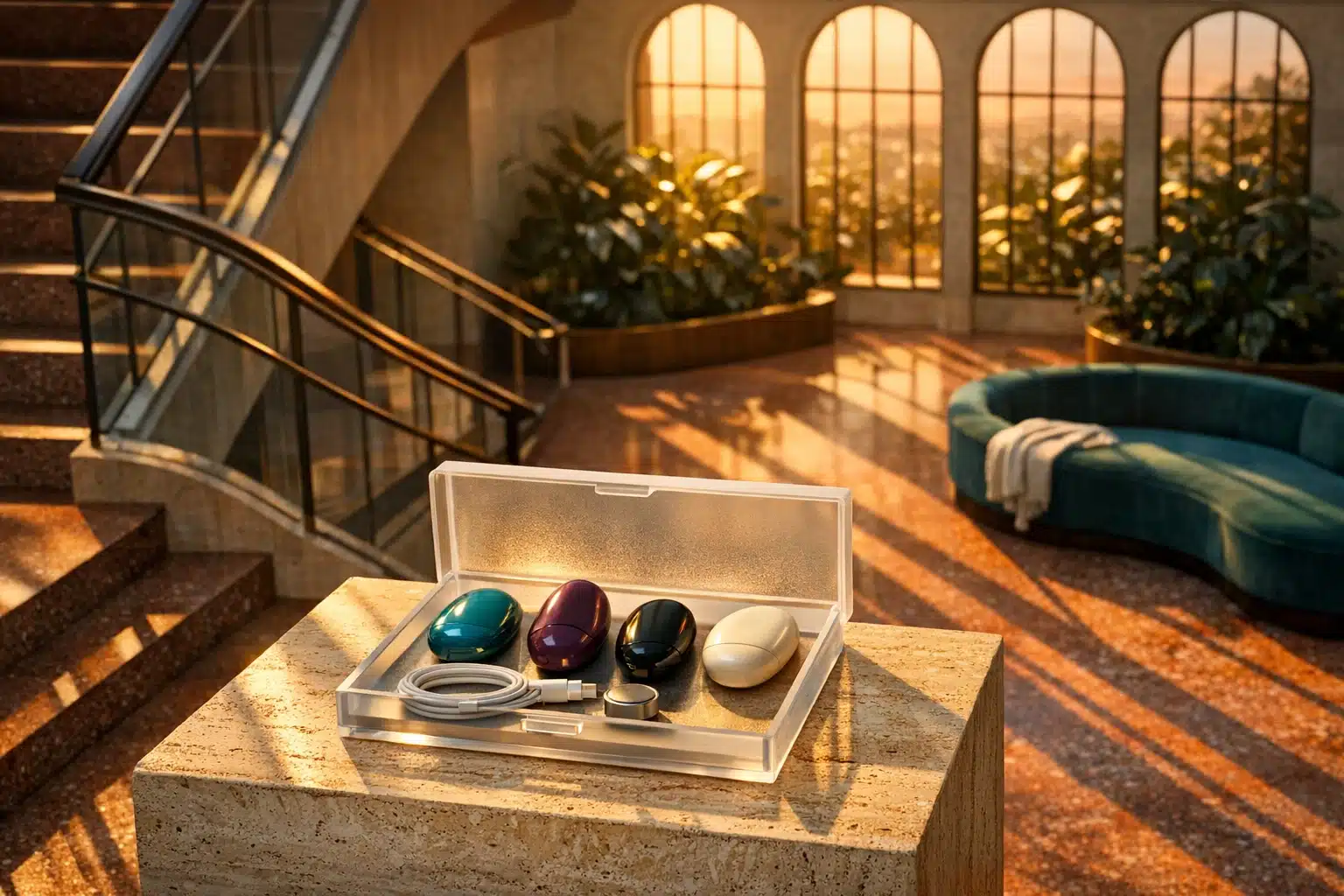
Popular Male Intimate Wellness Devices People Are Choosing This Season
Outline and Introduction: Why the Category Matters Right Now
This season, male intimate wellness devices are being chosen with the same care people now give skincare tools, fitness trackers, and sleep tech. Buyers are looking past novelty and paying closer attention to comfort, sound level, material quality, and cleaning time. That shift matters because a better match usually means a safer, more satisfying, and more sustainable routine. In short, the category is maturing, and so are the questions people ask before clicking buy.
Part of the change comes from design. Manufacturers increasingly present these devices as personal care products rather than awkward curiosities, and the difference shows up in the details. Body-safe silicone, sealed charging ports, travel locks, discreet storage cases, and simplified controls are now common selling points. Another reason is education. More shoppers understand that factors such as non-porous materials, water resistance, and lubrication compatibility affect comfort and hygiene just as much as power or pattern count. In other words, the conversation has shifted from “What does it do?” to “How well does it fit my routine?”
Here is the outline this article follows:
• automatic sleeves and smart strokers, with a close look at customization, maintenance, and noise
• vibrating, air-pulse, and mixed-mode devices, focusing on sensation style and ease of use
• wellness-oriented tools, including pelvic floor and prostate-friendly options designed with comfort in mind
• practical buying factors such as materials, cleaning, discretion, durability, and value
This structure matters because male intimate wellness is no longer one broad shelf of similar-looking products. It is a set of overlapping categories, each solving a slightly different need.
The relevance is especially strong for adult men who want better quality, more privacy, or simply fewer buying mistakes. A first-time shopper may want something simple, quiet, and low maintenance. A returning buyer may be looking for stronger motors, app-based customization, or easier post-use cleanup. Someone focused on relaxation may care more about softness and ergonomic design than about raw intensity. The modern nightstand, in a small but telling way, has started to resemble a personal tech drawer. That is why a comparison-led guide is useful now: the best choice is rarely the one with the loudest marketing, but the one that aligns with comfort, lifestyle, and realistic expectations.
Automatic Sleeves and Smart Strokers: Convenience, Customization, and Noise Control
Among the most popular male intimate wellness devices this season, automatic sleeves and smart strokers stand out for one simple reason: they reduce effort while increasing consistency. Instead of relying on a purely manual experience, these devices use motors, pressure systems, or patterned movement to deliver a repeatable routine. For many users, that predictability is the appeal. It is not just about intensity. It is about being able to choose a pattern, set a pace, and let the device do the work. Entry-level models tend to focus on straightforward motion and simple button control, while premium versions add warming functions, app connectivity, adjustable pressure, or removable sleeves with more refined internal structures.
Comparison matters here because the category looks similar on the surface but differs sharply in daily use. A device with a removable sleeve is usually easier to rinse and dry than a fully enclosed unit. A stronger motor may sound attractive, but if the shell amplifies vibration noise, it can become less practical in shared living spaces. Some devices excel at compactness and travel storage, while others trade portability for heavier construction and better stability on a table or bed. Battery life is another divider. Rechargeable models are now standard, and many buyers prefer USB-C charging because it is simpler to replace and less cluttered than older proprietary cables.
Popular features people are watching closely include:
• quieter motor housing and lower rattling at higher speeds
• sleeves made from softer, body-safe materials that are easier to remove and clean
• simple controls that allow quick changes without fumbling
• waterproof or splash-resistant construction for easier maintenance
• travel locks and discreet cases for privacy at home or on the road
One practical point often overlooked is post-use care. A sophisticated device loses its appeal quickly if cleanup is awkward. Non-porous materials, easy-access openings, and thorough drying options matter more than flashy packaging. It is also wise to check whether replacement sleeves are available, because some buyers prefer to refresh a wearable component rather than replace the entire product. In this category, convenience is the quiet king. The most chosen models are not always the ones that promise the most, but the ones that balance sensation, discretion, and cleanup in a way that feels sustainable week after week.
Air-Pulse, Vibrating, and Multi-Mode Devices: How Sensation Design Shapes Choice
Another major trend is the rise of devices built around sensation design rather than sheer power. That includes compact vibrators for targeted external use, air-pulse devices that rely on rhythmic pressure changes, and hybrid products that combine vibration with oscillation or pulsing movement. The reason they are gaining traction is straightforward: many users do not want a one-note experience. They want variation, adjustable intensity, and a broader range of comfort levels. A device that can begin gently and scale upward often suits more people than one that starts aggressively. For beginners in particular, a broad lower range is often more useful than an extreme top setting.
The differences between these formats are worth understanding. Traditional vibration tends to feel familiar and is often easiest to control. Rumbly motors are generally preferred over buzzy ones because they feel deeper and less sharp, though manufacturers do not always describe that clearly. Air-pulse style devices create a different sensation profile and can appeal to users who want something less dependent on direct pressure. Hybrid models are the tinkerers of the category. They give users more combinations, but that extra flexibility can also mean more buttons, more settings, and more trial and error. What feels premium to one person may feel overcomplicated to another.
When comparing these products, a few practical details matter more than marketing language:
• grip and shape, especially if controls need to be changed mid-session
• whether the device supports a wide range of intensity instead of abrupt jumps
• lubricant compatibility, since some silicone products require careful checking before using silicone-based formulas
• heat buildup during longer use, which affects comfort
• cleaning access, especially around seams, vents, or textured surfaces
A good device in this category often succeeds by feeling intuitive. The best designs allow a user to understand the controls quickly, hold the product comfortably, and switch modes without interrupting the moment. This is where creative engineering quietly earns its keep. A smoother curve, a more stable grip, or a better-placed button can matter more than ten extra modes buried in the manual. For shoppers choosing this season, the appeal lies in adaptable design: devices that can shift from gentle and simple to more layered and experimental without demanding a learning curve steep enough to feel like assembling flat-pack furniture in the dark.
Wellness-Oriented Picks: Pelvic Floor Trainers, Prostate-Friendly Designs, and Relaxation Tools
Not every popular device is being chosen for novelty or intensity. A growing segment of the market is focused on comfort, relaxation, and body awareness. That includes pelvic floor training tools, perineal massagers, and prostate-friendly devices designed with softer materials, calmer vibration profiles, and more ergonomic contours. These products are often discussed in a different tone than classic adult gadgets. They are framed around routine, ease, and physical comfort, and that shift has attracted buyers who might previously have ignored the category altogether. Some men are interested in stress relief, some want more body awareness, and others are simply looking for a device that feels measured rather than theatrical.
There are important differences within this group. Pelvic floor trainers may emphasize guided routines, app assistance, or biofeedback features that help users focus on consistency. Relaxation-oriented massagers usually prioritize soft silicone, flexible necks, and lower, steadier intensities. Prostate-friendly devices, when chosen, tend to be selected for shape and safety above all else. A flared base is essential for any internal-use product, and beginners usually benefit from slimmer profiles, gentler settings, and plenty of patience. These devices should never be treated as a substitute for medical diagnosis or treatment, and pain is a clear signal to stop and, if needed, speak with a qualified clinician.
A smart wellness-first checklist often includes:
• body-safe, non-porous materials that are easy to sanitize
• an ergonomic shape designed for comfort rather than aggressive sizing
• slower, steadier modes suitable for gradual use
• clear cleaning instructions and secure storage
• realistic claims that focus on comfort and routine, not miracle outcomes
This category has a distinct tone, and that tone matters. Less fireworks, more tuning fork. Buyers drawn to these devices often care about how the product fits into a calm, repeatable self-care routine. The seasonal appeal is easy to understand. As more men approach intimate wellness with the same practical mindset they bring to recovery tools, massage devices, or sleep accessories, products that emphasize comfort, safety, and usable design feel more relevant. They are not trying to be everything at once. They are trying to be approachable, which is often exactly what makes them popular.
Conclusion: How to Choose the Right Device This Season
If there is one clear pattern in this season’s buying behavior, it is that adult men are choosing intimate wellness devices more carefully and more critically than before. The winning products are usually not the ones with the most dramatic packaging or the highest mode count. They are the ones that make ownership easy. That means body-safe materials, straightforward controls, practical charging, reasonable noise levels, and cleanup that does not feel like a second task waiting at the end of the experience. Whether someone is buying a first device or replacing an older one, usefulness is outpacing gimmick value.
A practical buying framework can save both money and frustration:
• choose non-porous materials such as quality silicone or ABS plastic where appropriate
• check whether the device is waterproof, splash-resistant, or only surface-clean safe
• read the lubrication guidance carefully, especially with silicone components
• look at storage, replacement parts, and warranty support
• consider privacy features such as travel locks, quiet motors, and discreet packaging
• avoid products that make unrealistic health or performance claims
Budget also matters, but value is not always the same as price. Lower-cost devices can be perfectly suitable if they are easy to clean, comfortable to hold, and made from reliable materials. Mid-range options often offer the best balance of design, power, and maintenance. Premium devices may justify the higher cost when they improve comfort, reduce noise, support app control, or include better sleeves and storage. Still, no device is ideal for everyone. The right choice depends on routine, tolerance for complexity, and how much importance a buyer places on portability, quiet operation, or specialized sensation.
For the target audience here, the smartest approach is refreshingly simple: buy for fit, not hype. Think about where the device will be stored, how quickly it can be cleaned, whether the controls feel intuitive, and how comfortable the materials seem for regular use. A good intimate wellness device should feel less like a gamble and more like a well-chosen personal care tool. When buyers focus on comfort, safety, and realistic expectations, they usually end up with something that earns its place rather than gathering dust in a drawer after two uses.