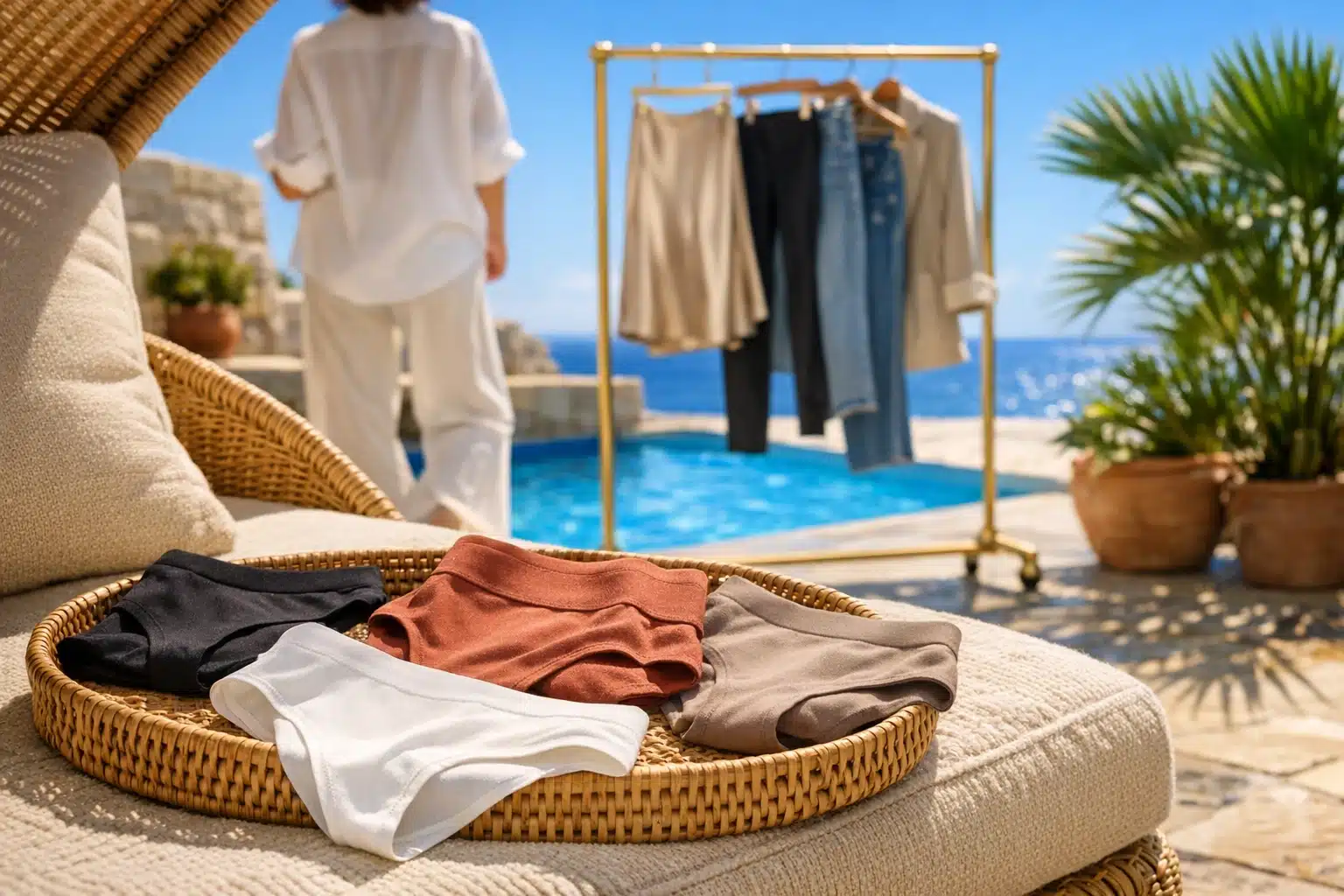
These Are the Panties People Are Choosing This Season
Introduction and Seasonal Outline
Choosing underwear may seem like a quiet decision, but it shapes comfort, confidence, and how clothes sit throughout the day. This season, shoppers are paying closer attention to fabric feel, seamless construction, waist height, and versatility rather than chasing one rigid trend. The result is a more practical and personal approach to panties, where fit matters as much as style. From breathable basics to smoother silhouettes, the category is becoming smarter, softer, and far more intentional.
That shift matters because underwear is one of the few garments that affects nearly every other piece in a wardrobe. A pair that rolls, pinches, traps heat, or shows through clothing can make even an excellent outfit feel wrong. By contrast, a well-chosen pair disappears in the best possible way. It supports movement, works under different fabrics, and lets the wearer stop thinking about it. In fashion terms, this season is less about dramatic reinvention and more about refinement. People still enjoy attractive details, but they increasingly want those details paired with function.
The patterns emerging this season can be organized into a few clear themes:
- Natural and soft-touch fabrics are gaining favor for daily wear.
- Seamless and laser-cut finishes are popular under fitted clothing.
- Higher rises and fuller coverage options are returning alongside classic bikinis and thongs.
- Muted colors, skin-tone ranges, and simple design lines are outselling loud novelty looks.
- Shoppers are thinking more carefully about fabric care, durability, and value per wear.
These choices reflect larger changes in clothing habits. Many wardrobes now mix workwear, loungewear, gym pieces, denim, and occasion dressing within the same week, so underwear needs to adapt quickly. A person may want one pair for loose trousers, another for leggings, and a different option for a satin skirt or a fitted dress. That is why the category feels more thoughtful right now. Consumers are not simply buying by habit; they are matching underwear to fabric, silhouette, weather, and routine.
In the sections ahead, we will look closely at the fabrics people are gravitating toward, the cuts that are most useful this season, the visual trends influencing color and rise, and the practical buying strategies that help shoppers choose better. Think of it as a map for a small but important corner of the closet. Sometimes the smartest fashion move is the one nobody notices, and this season’s panty choices prove exactly that.
Fabrics Leading the Season: Softness, Breathability, and Performance
If one factor is driving current underwear choices more than any other, it is fabric. People are reading labels more closely and becoming less tolerant of materials that feel stiff, overly synthetic, or prone to trapping moisture. Cotton remains a strong everyday favorite, and for good reason. It is breathable, familiar, generally easy to wash, and commonly recommended for regular daily wear because it allows better airflow than many heavily coated synthetics. That does not mean cotton is the only winner, though. This season, cotton is sharing space with newer soft-touch fabrics that bring a smoother, lighter feel.
Modal and related cellulosic fibers, including some Tencel blends, are especially popular among shoppers who want softness without bulk. These fabrics often feel cool against the skin and drape more fluidly than basic cotton jersey. That makes them appealing for underwear that needs to sit flat under trousers, knit dresses, or slim skirts. Microfiber also continues to attract buyers who want a polished finish. A good microfiber blend can reduce visible lines, dry quickly after washing, and work well in warmer weather or active routines.
Each fabric family comes with trade-offs, and that is where comparison becomes useful:
-
Cotton: breathable, absorbent, dependable for daily wear, but sometimes less smooth under clingy fabrics.
-
Modal or Tencel blends: very soft, often lightweight, comfortable for long days, though some pairs require gentler care.
-
Microfiber: sleek and low-profile under clothing, often quick-drying, but quality varies widely depending on the blend.
-
Mesh panels or lace accents: visually lighter and sometimes more breathable, though durability depends on construction.
Another seasonal preference is lining and gusset quality. Shoppers who once focused only on color or cut are now noticing stitching, reinforcement, and how the inner panel feels after hours of wear. That is a meaningful shift. A beautiful pair may attract attention in the store, but a well-designed pair earns loyalty at home. People are also leaning toward fabric mixes that balance stretch with recovery, because underwear that relaxes too quickly tends to bunch or slide.
In a practical sense, the winning fabrics this season are not necessarily the flashiest ones. They are the ones that make sense on a Tuesday morning, during a long commute, under summer linen, or beneath winter knits. Softness, airflow, and a stable fit are shaping the market far more than decorative excess. In other words, fabric is no longer a background detail. It is the first filter many shoppers use, and that says a lot about how mature and functional this category has become.
The Cuts People Prefer Right Now: From Seamless Briefs to Modern High-Leg Styles
Once fabric gets attention, the next decision is silhouette, and this season’s most chosen panty cuts reveal a practical mood. Rather than one dominant shape replacing all others, shoppers are dividing their drawers by purpose. Seamless briefs are being chosen for fitted outfits, bikinis remain a reliable middle ground, high-rise styles are growing in popularity for coverage and support, and thongs continue to hold their place for specific wardrobe needs. The result is not a single trend but a smarter rotation.
Briefs, especially those with clean edges and moderate to full coverage, have moved well beyond their old reputation as purely functional basics. Today’s versions often feature softer waistbands, higher leg openings, and flatter construction, which makes them feel more refined. High-rise briefs in particular are attracting people who want a secure fit under wide-leg trousers, high-waisted denim, or dresses that benefit from a smoother waistline. They can distribute pressure more evenly than some low-rise styles, which is one reason many wearers find them more comfortable during long workdays.
Bikini cuts still appeal to shoppers who want something balanced. They usually offer enough coverage for daily use without feeling too full, and they work across a wide range of body types and clothing styles. For many people, the bikini shape is the quiet workhorse of the underwear drawer. It rarely demands attention, but it often ends up being the pair chosen first after laundry day.
Thongs remain relevant because certain outfits call for minimal lines. Under slim trousers, jersey skirts, or body-skimming dresses, they can be the simplest option. However, the thong styles getting traction now tend to be softer and better engineered than older versions. Wider waistbands, stretchier fabrics, and smoother gussets are replacing harsh elastic and overly narrow cuts. Comfort has become part of the category’s appeal rather than an afterthought.
Meanwhile, high-leg and cheeky cuts are drawing interest from shoppers who like a slightly more fashion-forward shape without sacrificing everyday wearability. These designs can visually lengthen the leg and sit neatly under many contemporary clothing silhouettes. Boyshorts still appear in seasonal offerings, though they are more niche, often preferred for lounging, sleep, or specific outfit pairings.
- Choose seamless briefs for fitted knits and visible-line concerns.
- Choose bikinis for flexible, everyday use.
- Choose high-rise styles for coverage and support under higher-waisted clothing.
- Choose thongs when outfit construction makes line reduction the priority.
- Choose high-leg cuts if you want a lighter look with moderate coverage.
This season’s biggest lesson is simple: the best cut depends on how the underwear will actually be worn. People are shopping with more realism now, and that realism is producing better choices.
Color, Rise, and Design Details Shaping Seasonal Preferences
Trend conversations often focus on cut and fabric, but color and design details are quietly doing just as much work this season. Many shoppers are moving away from loud prints and highly embellished pairs in favor of tones that blend into a modern wardrobe. Neutrals remain especially strong: black, white, cream, taupe, mocha, slate, and a wider range of skin-tone-inspired shades are all in demand. These colors make practical sense. They layer more easily under clothing, look cleaner in minimalist drawers, and feel less tied to a short-lived novelty cycle.
That said, muted does not mean boring. Seasonal color shifts are showing up in softer ways, such as dusty rose, sage, muted plum, pale blue, and warm terracotta. These shades add personality without turning underwear into a costume. They reflect a broader fashion movement toward earthy palettes and easy coordination. When someone opens a drawer and sees colors that work together, the daily routine feels a little smoother. It is a small design pleasure, but it matters.
Rise is another major detail shaping purchases. Low-rise options still exist, especially for particular jeans or nostalgic styling preferences, but mid-rise and high-rise pairs are getting more attention. This change follows wider clothing trends. Trousers, relaxed tailoring, midi skirts, and many current denim cuts sit higher on the body, so underwear that aligns with that line tends to feel more secure. A higher rise can also reduce bunching at the waistband and create a more stable fit during movement.
Design details are becoming more refined rather than more dramatic. Shoppers are looking for features such as:
-
Flat seams that reduce irritation and show-through.
-
Bonded or laser-cut edges for a cleaner outline under clothing.
-
Soft waistbands that stay in place without digging.
-
Double-layer fronts or reinforced gussets for structure and comfort.
-
Minimal lace placement that adds texture without becoming fragile.
There is also a notable shift in the way people think about visibility. Instead of choosing underwear purely to hide it, many shoppers now want options that can do both: disappear under tailored clothing or look neat and intentional in more relaxed settings, such as at home or while getting dressed for the day. That means polished basics are winning over heavily decorative pairs that only suit narrow occasions.
Seasonal preferences, then, are not just about what looks nice on a hanger. They are about how rise, color, and finishing details interact with real wardrobes. A soft mushroom-beige brief with laser-cut edges may not sound dramatic, yet under a slip skirt on a humid afternoon, it can feel like a tiny engineering miracle. And sometimes that is exactly what good design is.
What Smart Shoppers Are Looking for Now and How to Choose Well This Season
For today’s shopper, the real question is not simply which panties are popular, but which ones are worth buying. That perspective changes the conversation in a healthy way. Instead of collecting random pairs that looked appealing in the moment, more people are building a small, useful rotation based on wardrobe needs, comfort preferences, and laundry habits. This season rewards that approach because the strongest options are not gimmicks. They are dependable pieces designed to work hard in everyday life.
A useful buying strategy starts with purpose. Before adding new pairs to the drawer, it helps to divide needs into categories: everyday wear, fitted-outfit solutions, high-waisted outfit support, sleep or lounge comfort, and warm-weather breathability. Once those needs are clear, shopping becomes simpler and more cost-effective. You are no longer standing in front of a display guessing which style might work. You are matching features to real situations.
It is also worth paying attention to construction. Two pairs may look almost identical online, yet perform very differently once worn and washed. Look closely at seam placement, waistband stretch, gusset quality, fabric content, and care instructions. A slightly higher upfront price can make sense if the material keeps its shape and the elastic does not fatigue after a few cycles in the wash. Value per wear is a better guide than the ticket price alone.
- Buy at least one breathable everyday style in a fabric you trust.
- Add one no-show option for smooth trousers, skirts, or dresses.
- Keep a high-rise pair if your wardrobe includes high-waisted denim or tailoring.
- Check washing instructions before buying delicate blends.
- Replace pairs that twist, stretch out, or feel uncomfortable instead of tolerating them.
For many readers, the best takeaway is permission to be selective. There is no prize for keeping underwear that never feels right. If a cut constantly shifts, if a seam rubs, or if a color only works under one garment, it may not deserve drawer space. The strongest choices this season are the ones that earn repeat wear because they solve a problem elegantly.
In summary, people are choosing panties this season with more intelligence and less impulse. Soft fabrics, better rises, cleaner finishes, and purpose-driven cuts are shaping the market. If you want a wardrobe that feels more comfortable from the first layer outward, start here: choose for your day, choose for your clothes, and choose for your body rather than for a trend alone. That is the most current idea of all, and it is one worth keeping.