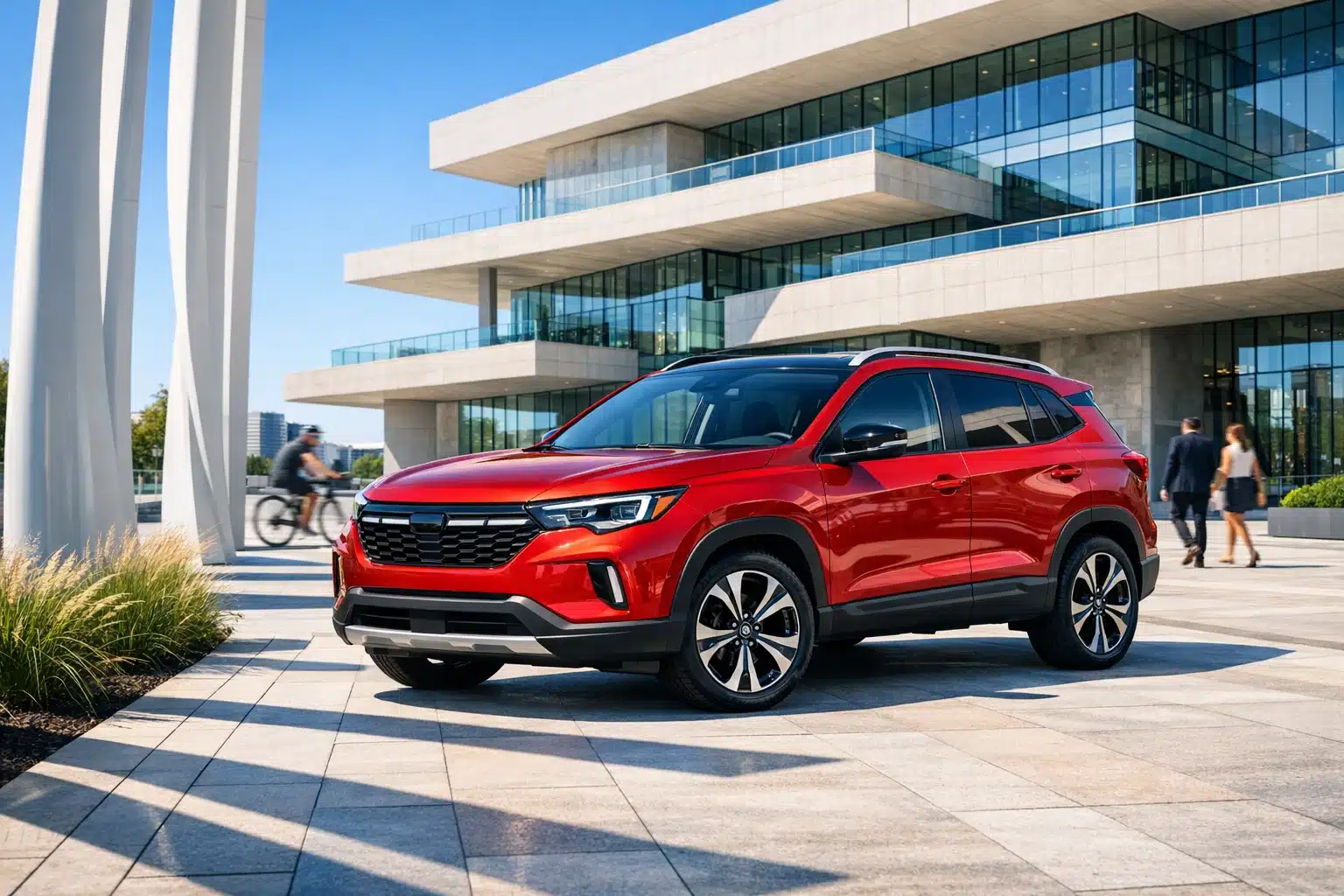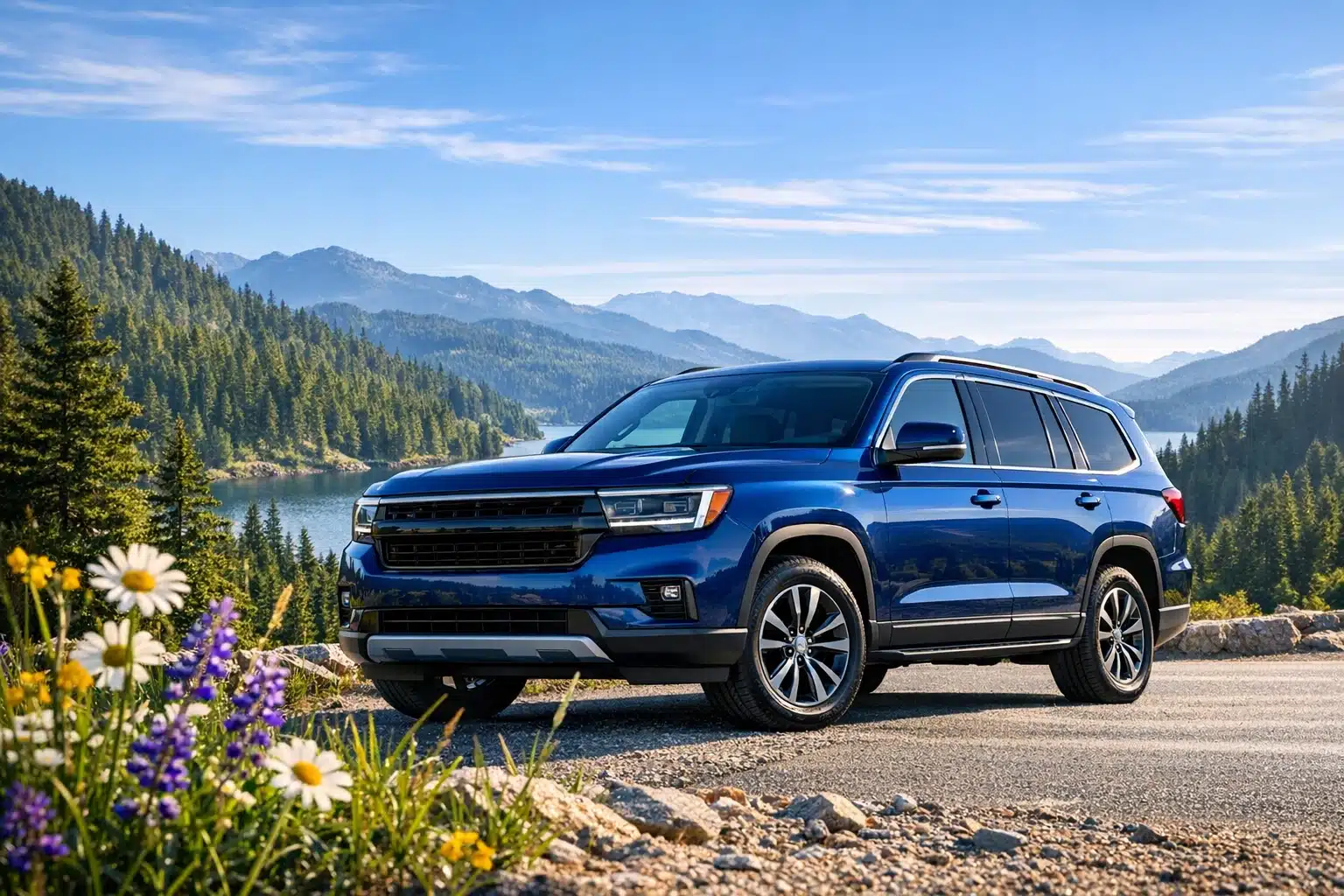
Chevrolet Traverse Early Summer Sales Guide
The Chevrolet Traverse often lands on shopping lists for one simple reason: it tries to balance family duty, highway comfort, and everyday practicality in a single three-row package. Early summer adds another variable, because holiday promotions, fresh inventory, and quarter-end pressure can all reshape the deal in front of you. That makes this season less about luck and more about preparation. A little homework before you visit a showroom can save money, reduce stress, and help you choose the right version the first time.
How This Guide Is Organized
This guide begins with a clear road map because SUV shopping can become noisy fast. One dealer is talking about monthly payment, another is focused on trade-in value, and a third keeps steering the conversation toward accessories you did not ask for. A structured approach helps you filter the useful information from the showroom fog. The Chevrolet Traverse is not just a single vehicle nameplate; it is a family of trim levels, packages, comfort features, drivetrain choices, and price points that can feel similar on paper but different in daily use.
To make the process easier, the article is arranged around the questions most buyers actually face:
• Why does early summer matter when shopping for a Traverse?
• Which trim and feature mix fits your household best?
• How should you read incentives, financing offers, and trade-in numbers?
• What should you inspect before saying yes to the final deal?
• How can you leave with confidence instead of post-purchase doubt?
That order is intentional. Timing affects inventory. Inventory affects trim choice. Trim choice affects pricing. Pricing influences how you negotiate, whether you lease or buy, and how much your trade-in matters. By the time you reach the final section, the goal is not simply to know more facts about the Traverse. The goal is to make a cleaner decision with fewer surprises.
There is also a practical reason this structure works well in early summer. This is the season when many families start thinking ahead to vacation miles, sports schedules, back-to-school logistics, and warm-weather road trips. A three-row SUV suddenly stops being a brochure item and starts looking like a rolling command center. In that environment, shiny paint and a friendly test drive are not enough. You need a plan. Think of this guide as the shopping list taped to the fridge before a big weekend trip: not glamorous, but extremely helpful when the pace picks up.
Why Early Summer Can Be a Smart Time to Shop for a Traverse
Early summer often creates a useful mix of pressure and opportunity for SUV buyers. Dealers may be working through spring inventory, preparing for heavier vacation-season traffic, and paying attention to monthly or quarterly sales goals. That does not guarantee a dramatic discount on every Chevrolet Traverse on the lot, but it can improve your chances of finding a motivated seller. Memorial Day promotions, end-of-May targets, and the approach of the end of the second quarter can all shape the timing of incentives, financing offers, and dealer flexibility.
Inventory is another major reason this season matters. By early summer, some stores have a broader view of what is moving quickly and what is sitting longer than expected. A popular color and trim combination may sell fast, while a more specialized configuration could linger and become a stronger candidate for negotiation. If you are flexible on color, wheel design, or a comfort package, you may have more room to bargain. If you want a very specific version, such as a higher trim with all-wheel drive and a particular interior, shopping earlier in the season may give you a better selection before the best-matched vehicles disappear.
Seasonality also changes buyer behavior. Families with school-age children often want to make a purchase before summer travel ramps up. That means dealerships can become busier on weekends, especially around holiday events. Shopping on a quieter weekday, or near the end of a month, can improve the quality of the conversation because staff may have more time and more incentive to close a deal. It is not magic; it is workflow.
There is a financial angle too. Interest rates and manufacturer-backed financing can matter as much as sticker price. A modest price discount can be offset by a weak loan rate, while a smaller discount paired with subsidized financing may produce a better total cost. Early summer is a good time to compare both, not just the headline number on a windshield. The lot may sparkle in the sun, but the real weather system is in the spreadsheet. Buyers who understand timing usually walk in cooler, and that calm can be worth real money.
Choosing the Right Traverse Trim, Seating Layout, and Features
The smartest Traverse purchase starts with use case, not vanity. The model has built its reputation around three-row practicality, family-friendly space, and road-trip comfort, but the right version for one buyer can be the wrong one for another. Depending on model year and trim, the Chevrolet Traverse may offer different seating layouts, wheel sizes, interior materials, technology packages, and drive configurations. Some buyers need a straightforward people mover. Others want a more upscale cabin, a sportier look, or extra confidence from all-wheel drive. The trick is to separate nice-to-have features from expensive habits.
A useful first step is to imagine the vehicle on an ordinary Tuesday rather than a vacation brochure. Ask yourself:
• How many passengers ride with you most days?
• Do you need easy third-row access for children, teens, or adults?
• Will you carry strollers, sports bags, or bulk shopping behind the third row?
• Is winter traction a real concern where you live?
• Are you paying for appearance upgrades you will enjoy, or simply notice once and forget?
Current or recent Traverse lineups may include trims such as LT, Z71, RS, and High Country, though availability depends on model year and local inventory. In broad terms, midlevel trims often deliver the strongest balance of value and features. They can include upgraded infotainment, convenience equipment, and driver-assistance technology without pushing the price into premium territory. Higher trims may bring more visual flair, larger wheels, distinct styling, upgraded cabin materials, and additional comfort touches. Those features can be worthwhile, but they should solve a real preference or need, not just a ten-minute showroom impulse.
For family buyers, practical considerations usually matter most. Bring the car seats if you use them. Check second-row adjustability. Fold the rear seats yourself. See how much cargo space remains with all rows in use. If grandparents, taller teenagers, or frequent carpool passengers are part of the plan, sit in the third row rather than trusting dimensions on a spec sheet. Also pay attention to technology. A larger screen looks impressive, but usability, visibility, and charging access can matter more over five years of ownership.
In short, the best Traverse trim is the one that fits your life with the fewest compromises. When the vehicle matches your routine, the sale feels less like a splurge and more like a smart tool bought at the right time.
Reading the Price Tag: Incentives, Financing, Leasing, and Trade-In Strategy
A Chevrolet Traverse deal should be evaluated with one phrase in mind: out-the-door cost. MSRP matters, dealer discount matters, and incentives matter, but none of them tells the full story alone. You need the complete figure that includes destination charges, taxes, registration, documentation fees, and any dealer-added products. Early summer ads can look attractive because they highlight one strong number, such as a holiday bonus or a low monthly payment. The important question is what happens when every line is added back into the worksheet.
Start by separating the deal into parts:
• Vehicle selling price before incentives
• Manufacturer incentives or loyalty offers
• Financing rate and loan term
• Value of your trade-in
• Fees and add-ons
• Final out-the-door total
This method prevents common confusion. For example, a dealer can offer a generous trade-in number while discounting the SUV less than a competing store. Another dealer may show a lower selling price but include accessories or protection packages you do not want. When you isolate each part, comparisons become easier and far more honest.
Financing deserves close attention because small rate changes can produce meaningful long-term cost differences. As a simple example, financing 40,000 dollars for 60 months at about 6 percent results in a payment near 773 dollars per month. At about 8 percent, the payment rises to roughly 811 dollars per month, adding more than 2,200 dollars over the life of the loan. That is why buyers should compare dealer-arranged financing with preapproval from a bank or credit union before stepping into final paperwork.
Leasing can make sense for drivers who want a newer vehicle every few years, but it works best when mileage habits are predictable and the terms are competitive. Buying may be better for households planning to keep the Traverse for the long haul. If you have a trade-in, gather multiple offers online or from local buyers before negotiation day. Independent quotes give you leverage and help you avoid accepting a weak valuation out of convenience. The cleanest deal is rarely the loudest one. It is usually the one where every number can survive daylight.
Final Buyer Checklist and Conclusion for Families, Commuters, and Road-Trip Planners
By the time you are ready to sign for a Chevrolet Traverse, the hard work should already be done. Early summer can be a favorable shopping window, but the real advantage comes from preparation, not from assuming every seasonal banner means instant savings. For families, the Traverse is often about space, flexibility, and easier logistics. For commuters, it may be about comfort, visibility, and technology. For frequent travelers, it is about how the vehicle behaves when loaded with people, bags, and miles. Different priorities, same rule: buy the version that fits your actual life.
Before you agree to the final paperwork, run through a simple checklist:
• Confirm the exact trim, drivetrain, and packages on the vehicle
• Review the out-the-door total line by line
• Ask whether any rebates depend on specific financing conditions
• Verify trade-in value separately from the new-vehicle discount
• Test seat comfort, cargo access, and rear passenger space one last time
• Check insurance estimates before taking delivery
• Decline add-ons that do not offer clear value for your ownership plan
This last point matters more than many shoppers expect. Extended products, wheel coverage, maintenance plans, and cosmetic protection can sound reassuring when presented quickly in the finance office. Some may be useful for certain drivers, but they should be evaluated calmly, not accepted because the purchase process is almost over and you are tired. The final thirty minutes can quietly add a surprising amount to the total cost.
If you are shopping for a household vehicle, bring the people and gear that define your routine. If you are replacing an aging SUV before a summer travel season, pay attention to comfort over several miles, not just the first smooth block around the dealership. If you are budget-focused, prioritize rate, term, and total cost above appearance packages. The best early summer Traverse purchase is not the one that feels dramatic. It is the one that feels sensible on day one and still feels sensible after the first road trip, the first school run, and the first monthly payment. That is the kind of deal worth chasing.