Guide to Police-Impounded Professional Cameras for Sale
Police-impounded professional cameras sit at an unusual crossroads of law, technology, and bargain hunting. For photographers, videographers, and small businesses, these sales can open a path to serious gear that may otherwise remain out of reach. Yet the tempting price is only one piece of the puzzle, because condition, paperwork, and auction rules matter just as much as the logo on the camera body. Learning how these sales work helps buyers reduce risk, compare offers sensibly, and recognize genuine value when it appears.
Outline
This article begins by explaining what police-impounded camera sales usually are and how the disposal process tends to work. It then looks at the kinds of professional cameras, lenses, and accessories that may appear in these listings and why they attract different types of buyers. The next part focuses on inspection, documentation, and risk management, followed by a practical comparison between auction pricing and the ordinary used market. The final section offers a buyer-focused conclusion with realistic guidance for photographers, creators, resellers, and careful shoppers.
1. What Police-Impounded Camera Sales Actually Are
When people hear the phrase police-impounded cameras for sale, they often imagine a room full of pristine flagship models waiting to be claimed for pennies. Reality is more procedural and far less cinematic, though still interesting. In many jurisdictions, cameras sold through police-connected channels are not necessarily dramatic crime-story items. They may include unclaimed lost property, seized goods that have cleared legal processes, evidence no longer needed by the court, or surplus items transferred to public disposal systems. The key point is that these sales are governed by rules, and those rules vary by city, county, state, and country.
Some agencies handle sales directly, while others work through municipal surplus departments or contracted auction platforms. That means the buyer experience can look very different from one listing to another. One sale may provide multiple photos, serial numbers, and preview dates, while another may offer only a short description such as professional camera body, condition unknown, sold as is. That sparse language is common because the seller is often focused on lawful disposal rather than retail-style presentation.
The typical process follows a recognizable pattern:
– The item is cataloged after it is cleared for release.
– Basic identifying details are entered into a listing.
– Interested buyers may get a preview window, either in person or through photos.
– Bidding opens for a fixed period.
– The highest bidder pays according to the stated terms, which may include tax and fees.
– Pickup or shipping happens under agency or platform rules.
Understanding that structure matters because it sets realistic expectations. These are not consumer electronics stores, and the people writing the listings are usually not photography specialists. A camera may be described correctly by brand and model but still lack important context about shutter count, battery health, sensor condition, or included accessories. Sometimes that uncertainty creates opportunity. Just as often, it creates risk.
Buyers should also remember that legality and ownership records matter more here than in an informal person-to-person sale. A legitimate public or contracted sale should produce a receipt and some record of the transaction. That paperwork can be useful later for insurance, resale, or simple peace of mind. In short, the value of these sales begins with understanding their administrative nature. If you approach them like a government disposal channel rather than a polished retail event, your expectations become sharper, and your decisions usually improve.
2. What Kind of Professional Gear You May Find and Why It Draws Attention
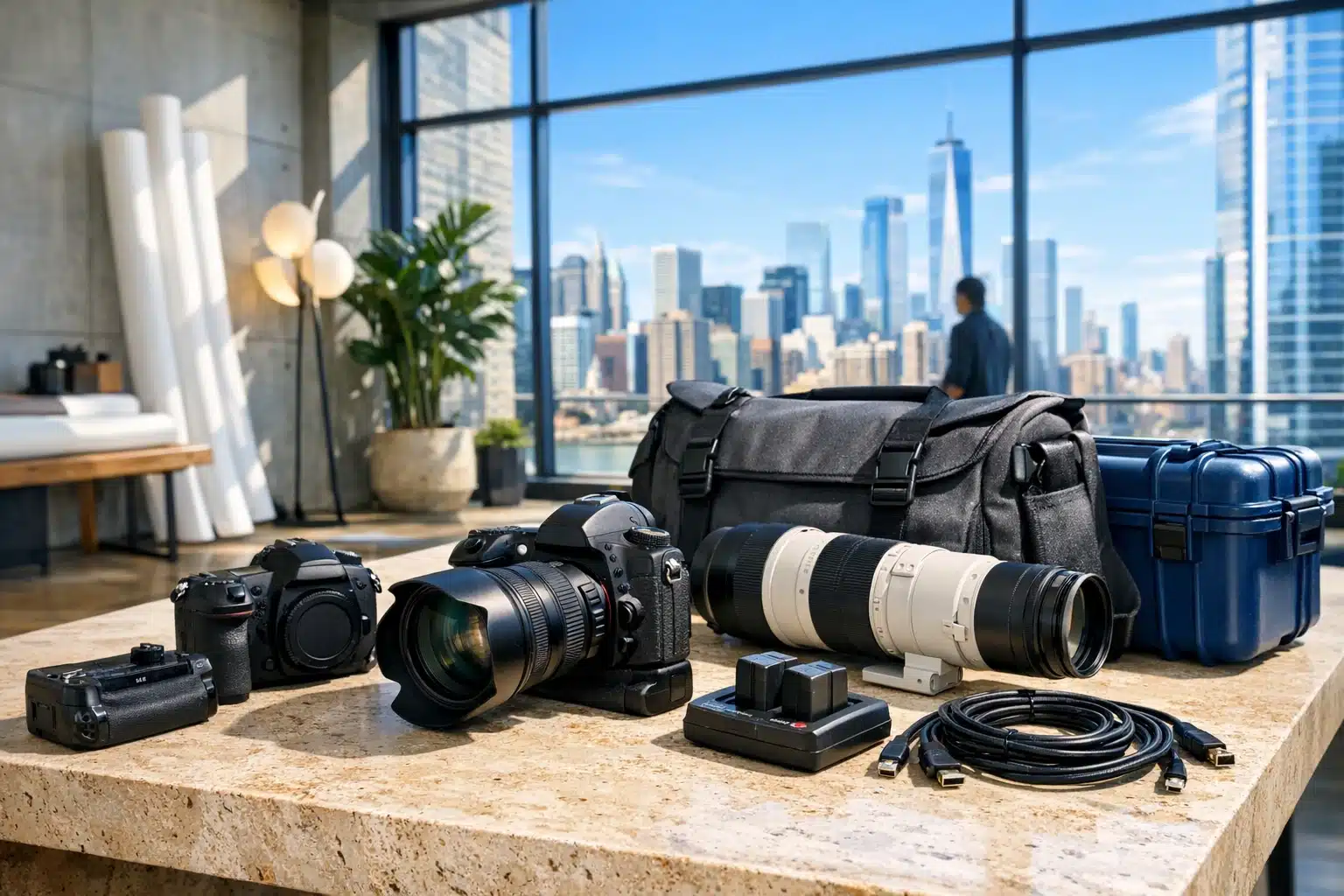
Professional camera listings can range from modest older DSLRs to high-end mirrorless bodies, specialty lenses, flashes, battery grips, and even hard cases. The variety is part of the appeal. A buyer browsing one sale may see a weathered but capable full-frame camera body, while another finds a bundle containing lenses, chargers, memory card readers, and shoulder bags. For photographers who know how to evaluate gear, that mix can feel like opening a tool chest in a dark attic: dusty, uncertain, but full of possibility.
The most sought-after items are usually the ones that still hold strong practical value in working environments. These include full-frame camera bodies from established brands, fast zoom lenses, telephoto lenses, and dependable accessories that remain expensive when bought new. Brand names such as Canon, Nikon, Sony, Fujifilm, and Panasonic frequently dominate professional conversations because their systems are widely used in journalism, event work, portrait photography, commercial video, and hybrid content creation. Mentioning those names does not guarantee they will appear in any specific sale, but it shows the kind of ecosystem buyers are usually comparing against.
Different buyers are attracted for different reasons:
– Freelancers may want a backup body without paying full used-market retail.
– Students may be searching for their first serious camera system.
– Small studios may look for spare lenses, flashes, or rugged support gear.
– Resellers may focus on undervalued lots with repairable or testable equipment.
– Hobbyists may be willing to accept cosmetic wear if image quality remains strong.
One reason these sales stand out is simple economics. Professional gear depreciates, but it does not become useless overnight. A camera that once sat at the center of a paid wedding workflow may still produce excellent files years later. Likewise, a pro lens with visible wear can remain optically valuable if the glass is clean and focus performance is stable. In the photography world, age is not the only measure of worth.
That said, the label professional can tempt buyers into romantic thinking. A rugged body with advanced autofocus and dual card slots still needs to function properly to justify any price. Accessories matter too. Missing batteries, proprietary chargers, lens caps, mounting feet, or cable locks can quietly raise your final cost. The smartest buyers do not chase status symbols. They study the specific tool, the system around it, and the likely cost of bringing it into dependable working order.
3. How to Inspect, Verify, and Reduce Risk Before You Bid
The difference between a clever purchase and an expensive lesson usually lies in inspection. Police-impounded sales often provide limited guarantees, and many are explicitly sold as is. That phrase should slow your pulse, not quicken it. A low bid is only attractive when the item has a reasonable chance of serving your needs. If previews are allowed, treat them as your most valuable part of the process. If previews are not allowed, assume more uncertainty and lower your maximum bid accordingly.
For camera bodies, start with visible condition and then move toward functional clues. Scratches and worn rubber grips may not be a serious issue, but bent hot shoes, cracked screens, corrosion in battery compartments, or damage around the lens mount can signal rough handling. If the battery can be charged and the camera can power on, check menu navigation, shutter response, card slot recognition, autofocus operation, and sensor cleanliness. Mirrorless cameras may reveal electronic problems quickly, while DSLRs also raise questions about mirror box wear and shutter life.
A practical inspection list often includes:
– Serial number present and readable
– Battery door and port covers intact
– Mount area free from deformation
– Sensor or mirror chamber reasonably clean
– Buttons, dials, and touchscreen responding normally
– Memory card slot functioning
– Firmware menus accessible
– Signs of moisture exposure, fungus, or heavy impact
Lenses deserve equal attention. Shine light through the glass if permitted and look for haze, fungus, separation, or severe internal dust. Rotate the focus and zoom rings to feel for stiffness or grinding. Inspect the filter threads and lens mount. Aperture blades should move cleanly on compatible systems, and image stabilization, if applicable, should not make alarming noises. A lens can look beautiful on a table and still disappoint once mounted.
Documentation is another form of inspection. A proper receipt, model information, and platform record help establish a lawful chain of purchase. Buyers should read the sale terms carefully, especially around returns, pickup deadlines, buyer’s premiums, and descriptions of untested goods. If the listing omits crucial information, do not fill the silence with optimism.
Finally, price your risk. A tested camera with minor cosmetic wear deserves a different bid strategy than an untested body with no battery and no accessories. If you are comfortable cleaning sensors, replacing grips, or troubleshooting basic issues, you can responsibly bid where others hesitate. If you need dependable gear for paid assignments next week, caution should outrank curiosity. The smartest bidder does not merely ask, How cheap is it? The better question is, How much uncertainty am I actually buying?
4. Comparing Auction Prices With the Wider Used-Camera Market
The headline attraction of impounded camera sales is price, but the opening number rarely tells the full story. A camera body listed far below a common used-market price can still become ordinary, or even overpriced, after fees, taxes, replacement parts, shipping, and servicing are added. This is why experienced buyers compare total acquisition cost, not just the winning bid. In practical terms, the camera on the screen is only the beginning of the math.
Consider a hypothetical example. Suppose a professional DSLR commonly sells for about 1,200 to 1,500 dollars through established used marketplaces, depending on shutter count and condition. An impounded sale might list a similar body with an opening bid of 800 dollars. At first glance, that looks compelling. But if the platform adds a 12 percent buyer’s premium, local sales tax, a new battery, a charger, and a sensor cleaning, the final cost can narrow the savings dramatically. If the camera then needs a shutter replacement or port repair, the bargain may disappear altogether.
Costs that buyers often overlook include:
– Buyer’s premium or administrative fee
– Sales tax
– Shipping or mandatory pickup travel
– Replacement battery or charger
– Lens caps, straps, memory cards, and media readers
– Sensor cleaning or preventive maintenance
– Repair estimates for hidden faults
– Time spent testing and troubleshooting
There is also a quality-of-information gap between official disposal sales and curated used dealers. A reputable used camera retailer may provide graded condition, shutter counts, warranty coverage, and a return window. Peer-to-peer marketplaces may be less structured, but they often allow direct questions, sample images, or negotiation. Impounded sales may offer less transparency, which means the buyer must demand a bigger discount to justify the uncertainty.
Still, there are situations where the value is real. Older flagship cameras can remain highly capable for studio portraits, education, backup use, and controlled video setups. Lenses sometimes hold value even better than bodies, particularly if optical condition is strong and the mount remains current. Bundled lots can also create upside. A body that is merely average in value may become interesting if it comes with a charger, extra batteries, a branded grip, and a serviceable lens.
The most useful comparison is not between cheap and expensive. It is between predictable cost and unpredictable cost. If a conventional used purchase is slightly higher but includes testing, warranty, and easy return terms, it may be the better deal for professionals who need reliability. If the price gap is wide enough and the risks are manageable, an impounded sale can make financial sense. Value lives in the difference between what the gear costs and what it will realistically require from you afterward.
5. Conclusion for Buyers: Who Should Consider These Sales and How to Decide
Police-impounded professional cameras can be worthwhile, but they are not ideal for every buyer. The best candidates are people who combine patience, research, and a realistic tolerance for uncertainty. If you enjoy evaluating equipment, comparing market prices, and planning for minor repairs or missing accessories, these sales can offer meaningful opportunities. If you need a flawless camera with predictable support, a standard used dealer or authorized retailer may be the more sensible path, even at a higher upfront price.
For working photographers, the decision often comes down to reliability. A wedding professional, news shooter, or event videographer usually needs gear that performs without drama. In that case, an impounded camera may work best as a backup body, a secondary angle camera, or a low-risk addition to an existing kit. For students and hobbyists, the equation can be more forgiving. Cosmetic wear matters less when the goal is learning exposure, mastering lenses, or stepping into a more advanced system at a manageable cost.
A practical decision framework looks like this:
– Research the exact model before bidding.
– Set a hard ceiling based on total cost, not excitement.
– Review the sale terms line by line.
– Attend the preview if one is available.
– Assume unknown items may need service.
– Prioritize lenses and accessories only when their condition is reasonably verifiable.
– Keep proof of purchase and serial information for your records.
Resellers and technically confident buyers may find the strongest opportunities because they can price risk more accurately. They know that a camera with missing accessories is not automatically a poor buy, and that a clean lens can sometimes justify a lot by itself. But even experienced buyers benefit from discipline. Auction environments can create momentum, and momentum is expensive. The camera that looked like a bargain ten minutes ago may become an average purchase once bidding becomes emotional.
For the target audience interested in discovering more about police-impounded professional cameras for sale, the main takeaway is simple: treat the process as informed acquisition, not treasure hunting. Good deals exist, but they tend to reward preparation rather than impulse. Learn how the sale works, inspect what you can, compare total costs carefully, and bid only when the numbers and the risks align with your purpose. When you approach these listings with clear eyes instead of wishful thinking, they become less mysterious and far more useful as a buying option.